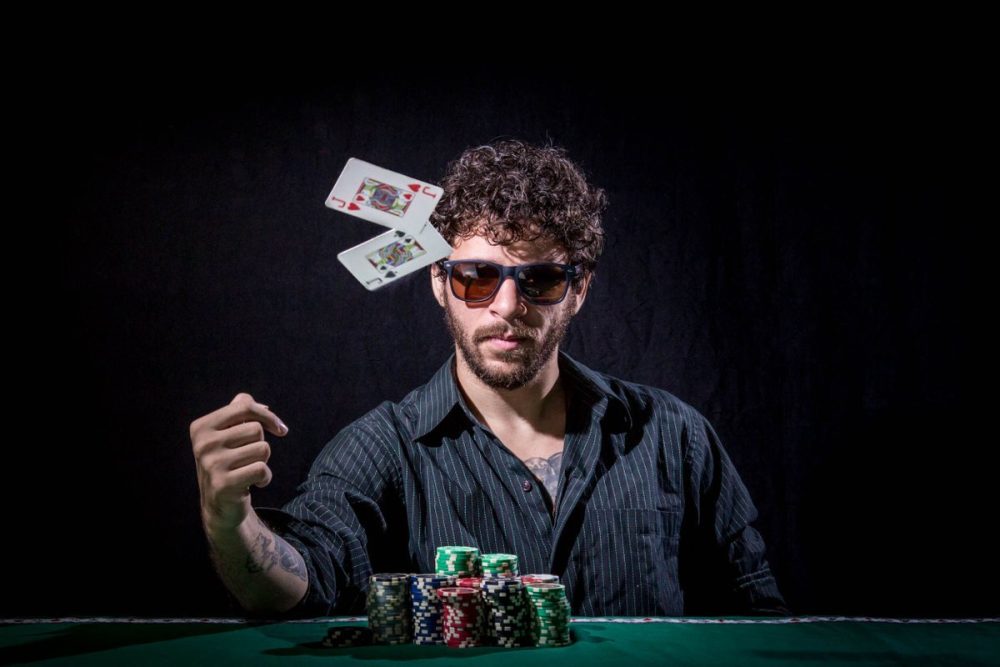
ChatGPT in poker is like a chess advisor who doesn’t know how to move a knight. Despite its apparent knowledge and impeccable syntax, it doesn’t track the dynamics of the table, feel the pressure of the opponent, or understand the consequences of a single bet on the river. The neural network only simulates analysis without experience, context, or a genuine stake at risk.
Why doesn’t ChatGPT understand poker hands well?
A neural network does not understand hands in the same way that a human does. When trying to analyze the course of events, it does not take into account microsignals such as beta timing, non-standard sizing, or the history of a particular opponent. The lack of memory within a single session makes it difficult to maintain a strategic thread. A hold’em hand is not a set of numbers, but a chess game based on emotions and intuition.
ChatGPT shows stacks in poker as a system of equations without coefficients. This is mathematically correct, but it makes no sense without context. For example, a preflop all-in with 17 BB looks logical, but in reality, it is thrown out without a doubt against a tight player on UTG.
A strategy is more than just choosing a line.
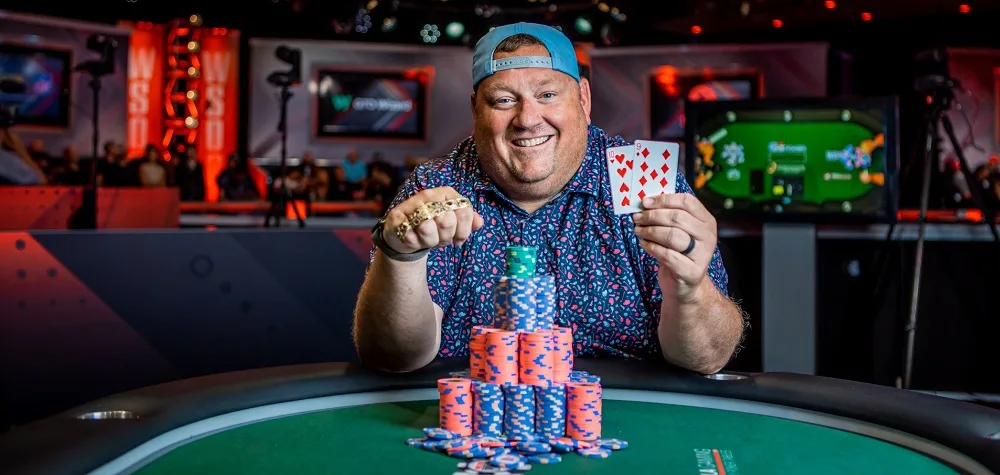 In poker, strategy is based not only on logic, but also on a deep understanding of the context. Artificial intelligence does not have a complete strategic picture; it relies on word statistics from the training corpus rather than on live analysis of the situation.

In complex scenarios, such as a 4-bet pot on the turn with a flush draw, the AI model suggests actions like “check” or “push.” It ignores many key factors, from the player’s image and previous dynamics to the meta-game and potential weaknesses of the opponent. Instead of strategic thinking, it offers a dry, out-of-context choice.
Intuition and empathy are not available to AI
ChatGPT cannot feel the emotional tension of a poker hand — it does not feel the opponent’s fear or the manifestations of strength or weakness. The neural network analyzes the game in the same way that Excel processes tables: by cells, without an intuitive understanding of what is happening. Bluff and value are simply flags for it, rather than psychologically charged decisions. It does not distinguish between a donk bet as a trap and a meaningless deviation — both actions fall into the same category and do not receive an adequate interpretation. This deprives the game of depth and makes the analysis flat.
ChatGPT’s Limited Capabilities in Poker
The capabilities of a neural network in poker are limited to typical situations. The AI model suggests aggression in multi-way pots where equity drops sharply, or ignores ICM at the final table of a tournament. These miscalculations lead to fatal mistakes when making a real bet.
Artificial intelligence uses averaged data without connection to the real situation. For example, it can claim that “raise on the button is a standard move”, ignoring the size of the stacks, fold equity, and the opponent’s image. Statistics are not a panacea, but a tool when there is an understanding.
Artificial intelligence is not substitute for experience
Neural networks in poker process data, but they don’t gain experience. Experience is a series of decisions made in real-world situations with consequences. ChatGPT doesn’t make mistakes under pressure, doesn’t adapt its game after a bad beat, and doesn’t change its strategy after 40 hands without a card.
Improvement requires constant interaction with live opponents, not with the predictable responses of a model. At the table, it’s not who knows “what to do” who wins, but who knows “why to do it right now.” AI does not make such conclusions.
Common ChatGPT Mistakes in Poker
ChatGPT’s errors are related to repetitive recommendations. For example, in 3-bet pots, the model consistently suggests a c-bet regardless of the flop texture. This approach is vulnerable and predictable, especially against regulars.

The neural network often ignores the psychological factor. For example, an optimal call on a turn with 6 outs looks correct on paper, but in the context of the opponent’s future push on the river, it turns into a trap with no chance of folding.
Analysis without depth and width
ChatGPT struggles with building and reading ranges in poker. It may recommend a 3-bet with ATo on SB, without considering that the opening was made by a tight player with UTG, who has a very narrow and strong range. This simplistic thinking leads to strategic miscalculations, such as incorrect 3-bets, losing calls, and overestimating the strength of a hand in context. The AI model does not take into account the opponent’s image, tournament stage, or stack depth, but rather mechanically applies templates.
Inadequate bluff analysis
For ChatGPT, bluffing is a mathematical option, not the art of reading an opponent and putting pressure on him. He often suggests bluffing in clearly losing situations where fold equity is virtually nonexistent.
For example, a push on the river in a multiway pot against two callers, when there is an obvious nats on the board, such a line is devoid of common sense. The neural network does not feel the dynamics of the hand and does not understand that in such spots, opponents will almost never throw out a hand capable of paying the bet.
Key differences between ChatGPT and a poker player
ChatGPT in poker works according to a predetermined logic and is unable to react to changes in the opponents’ behavior. The AI relies on template patterns, but the game requires unconventional real-time decisions.
How does the AI fall short compared to a professional player:
- Does not take into account the dynamics of previous hands.
- Does not track changes in the image at the table.
- Does not adapt the strategy to specific opponents.
- Does not understand ICM in tournaments.
- Does not feel the pressure of time and the stack.
- Does not distinguish between value bets and half-bluffs.
- Does not use non-standard lines.
- Does not manage risk depending on the phase of the game.
The lack of flexibility and adaptability turns the model’s strategy into a set of universal tips that are disconnected from the actual game situation. Against an experienced player, this approach quickly loses its relevance.
Hold’em requires a lively mindset
Poker is a game of incomplete information. An algorithm cannot replace decisions that are on the verge of irrationality. For example, folding a trip against a push from a nut with an overbet is only possible on an intuitive level that is beyond the reach of a neural network. In this case, it is not the algorithm that wins, but adaptability. Artificial intelligence does not reconfigure the hand, catch exploits, or apply meta-game strategies. Without these elements, Hold’em becomes a game of guessing pre-flop charts.
ChatGPT in poker is an assistant, not a player
 ChatGPT in poker acts as a reference book, but not as a friend who understands the discipline. The AI model processes data, but does not play in real time. Decisions on the river are not born from statistics, but grow from a subtle balance of analysis, experience, and intuition. Poker is not about mechanics, but about psychology, strategy, improvisation, and adaptation. Until the neural network learns to play against live fear, mathematical perfection will not defeat a real opponent.
 Australian media mogul Kerry Packer is a rare example of a financier with a $5 billion fortune sitting down at the table for a thrill rather than a show. In the 1990s, Packer visited MGM Grand and won between $20 million and $40 million in a weekend by playing high-stakes blackjack.

 The top of big casino winnings is not an exception to the rules, but a rare but real facet of the industry. Millions are won not only by luck, but also by choosing the right game and strategy. These stories confirm that every jackpot requires not only a bet, but also perseverance after it.
 No approach is universal. However, a number of proven systems show consistent effectiveness when used correctly.
 Casino tactics and strategies do not promise instant profits, but they help to turn gambling into a manageable process. A systematic approach, statistical analysis, adherence to discipline, and the selection of licensed platforms form the basis for a conscious game. Only a combination of calculation, practice, and control can minimize risks and increase the effectiveness of each decision at the gaming table.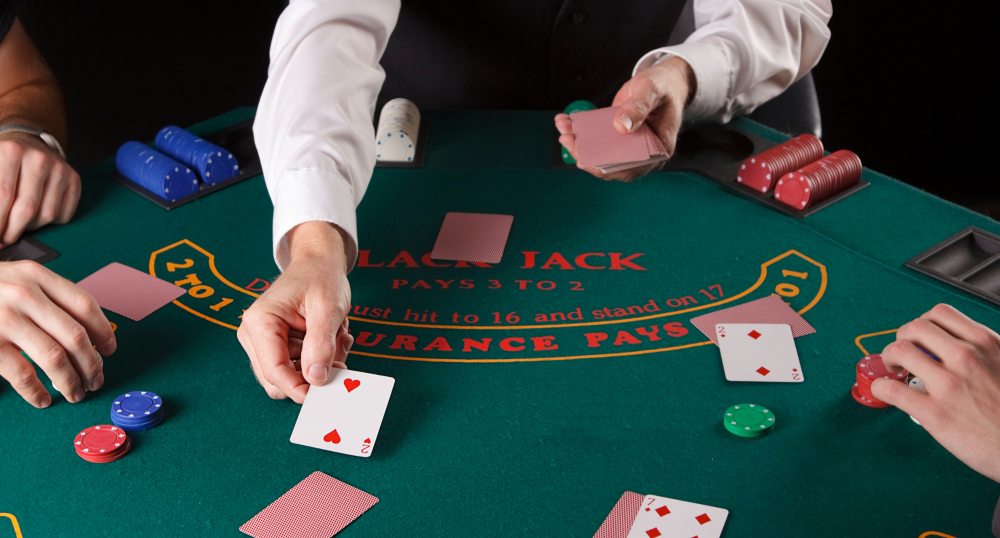
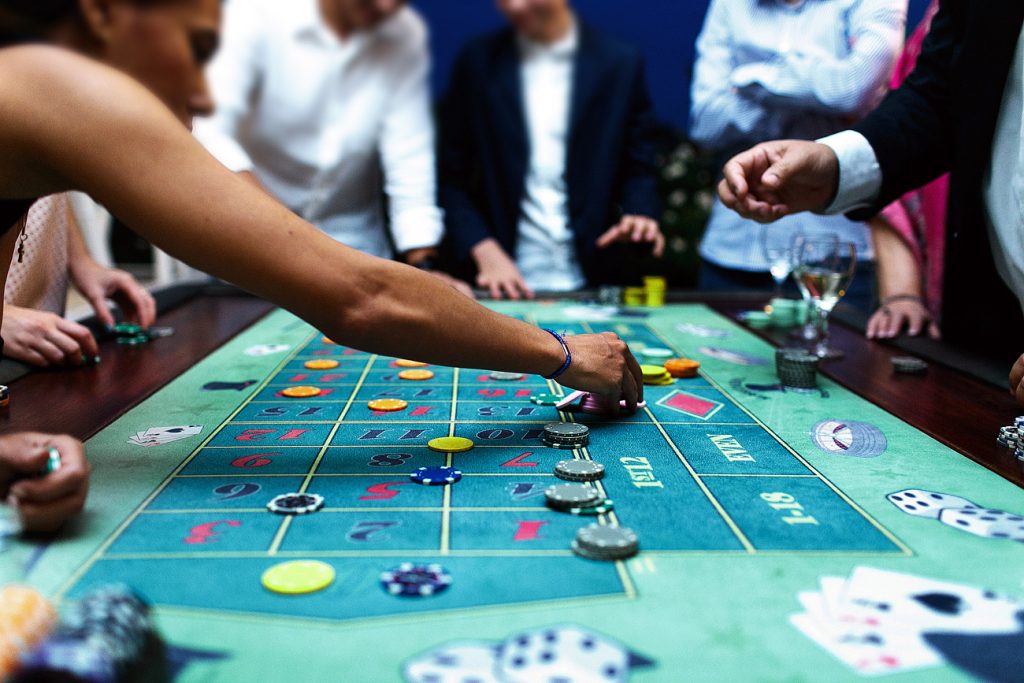 Roulette has been holding positions for decades. The European version with one zero reduces the casino advantage to 2.7%. The player bets on a number, sector, or color and watches the wheel spin. It’s very simple, but exciting.
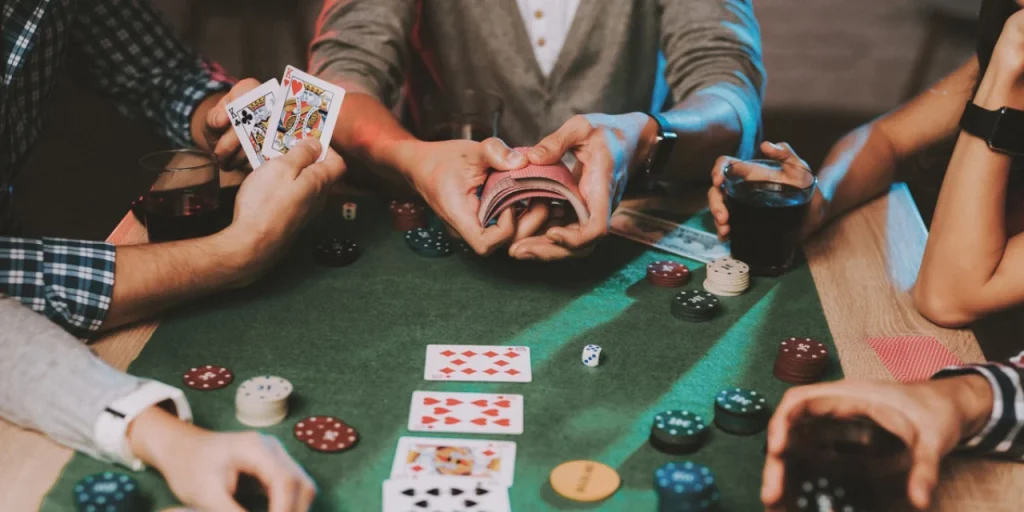 Simple mechanics, quick results, and high engagement form the basis of a confident start. It is the gambling games with simple rules that allow beginners to enter the world of casinos without stress, while still providing a full gambling experience. These games provide the “first step” that is essential for entering the world of gambling.
 The rules for choosing an online casino include analyzing its reputation: a series of reviews, independent ratings, and payment history. A reliable platform does not allow for mass complaints, delayed withdrawals, and unexpected blockages.
 The selection rules for online casinos include a comprehensive rating system based on various criteria. Without a systematic analysis of the providers, it’s impossible to enjoy the game or trust the security of your funds. Each license line, provider, payment method, and user agreement not only creates an interface but also builds trust in the platform.

 Many people believe that it is enough to look at the regulator’s logo in the footer of the website. However, professionals note that reliability is determined by a combination of factors. Verification of a license includes checking the registration number, operator details, and jurisdiction information.
 In modern gambling, accreditation has become synonymous with transparency and trust. When it comes to why online casinos need a license, it’s important to remember that regulation ensures the safety of funds, compliance with laws, and the ability to protect rights in case of disputes.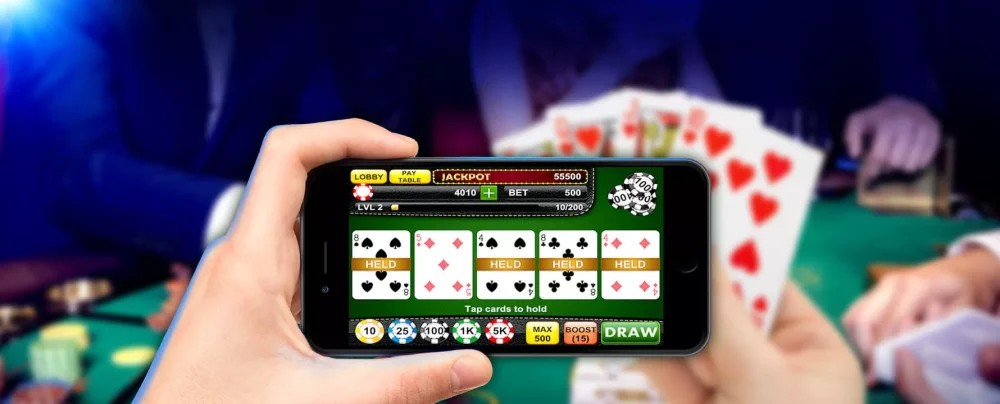
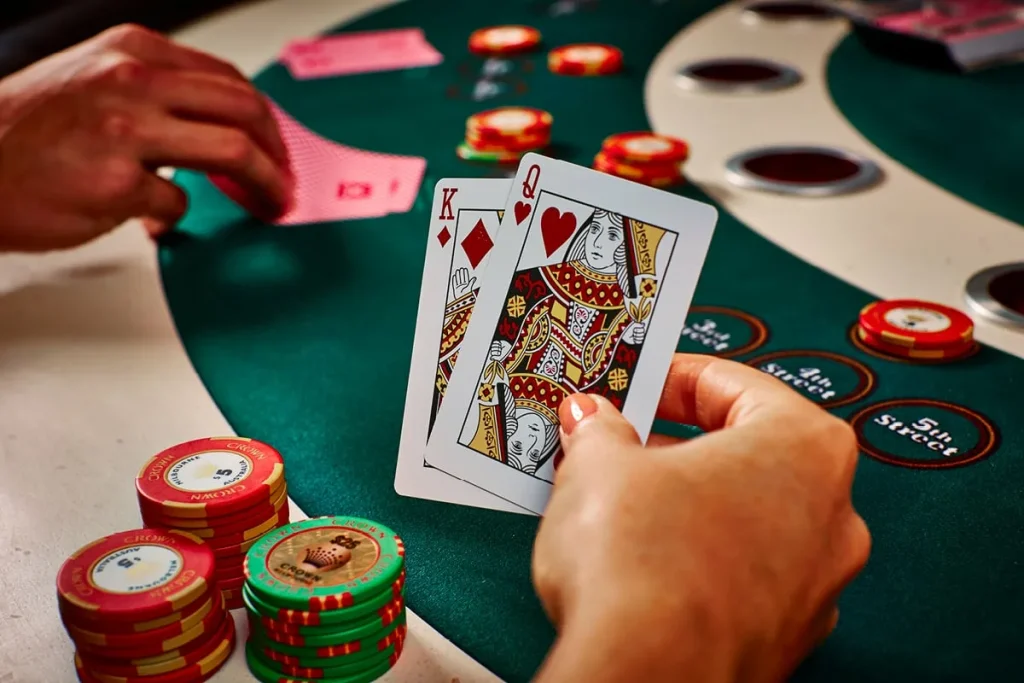 Poker is the most multi-level discipline among card games in online casinos. The dynamics depend not on the cards, but on the decisions of other players. The basis is combinations built on a strict hierarchy: from a pair to a royal flush. The win is formed at the intersection of probability and pressure.
 Immerse yourself in the world of online card games, where tradition meets technology. Poker, blackjack, baccarat, and other exciting formats offer more than just luck—they give you the chance to build a winning strategy. While excitement can fuel the interest, it’s the skill that gives you control over the game. Luck is important, but it doesn’t dominate. This makes card games the foundation of digital gambling and a magnet for players who know that keeping a cool head is essential for success.
 This developer’s slot machines adhere to a clear philosophy: high volatility, recognizable graphics, and mathematically calculated gameplay. Instead of visual noise, they feature polished mechanics. They are based on stable random number generators that are regularly audited by eCOGRA and GLI.
 The best Microgaming slots continue to hold the lead. Each title has stood the test of time and user feedback, from the first slot machines to high-tech releases in HTML5. Success is not about fashion, but about finding the right balance between gameplay quality and reliability. This balance has earned Microgaming a strong reputation as a manufacturer whose solutions are tested not only by algorithms but also by millions of players.
 The level of the instability coefficient determines how often and how much a player will win. This is a key factor that determines the balance between risk and potential reward.
 Volatility in gambling forms the foundation of understanding risks, pace, machine behavior and expectations. The conscious use of this characteristic takes the process from the category of entertainment to the field of structured strategy. The application of knowledge is a step towards a mature, controlled and meaningful game, where not intuition, but calculation determines the outcome.
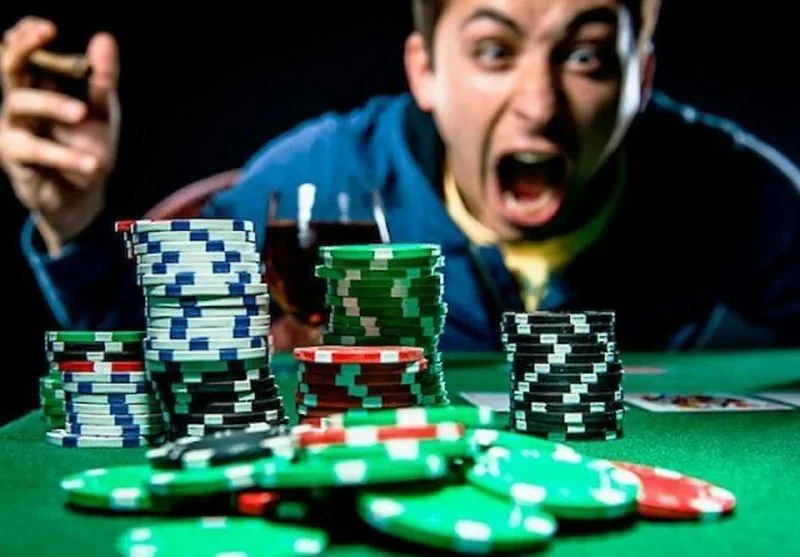 Every emotional decision turns strategy into a lottery. Tilt does not start with a bad river, but with the non-acceptance of losses. One bad beat does not break the game, but provokes a wave of mistakes if the player does not know how to work with emotions. Professionals use the breathing stop technique and a clear hand evaluation checklist. A simple habit of taking a 20-second pause before calling on the turn reduces the number of emotional decisions by 35%.
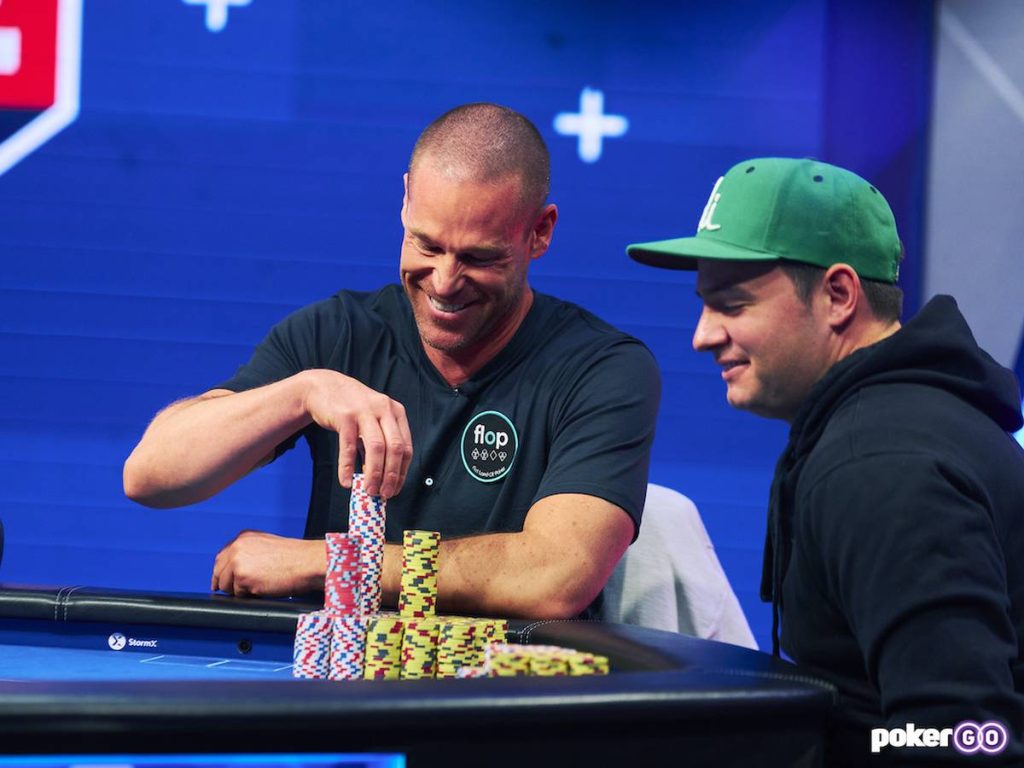 Poker is not a game of luck, but an intellectual competition. To stop losing in poker, you need not just one trick, but a clear systematic approach. Analyzing mistakes, regularly working on your game, and maintaining strict discipline. This is how you develop a skill that can consistently generate profits over the long run.
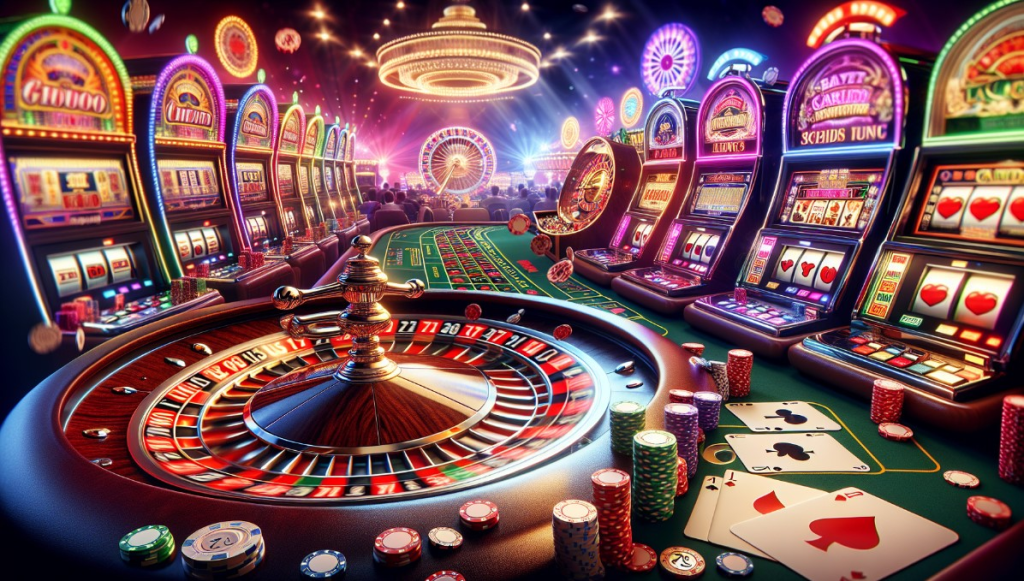 Roulette is a classic that is still relevant in digital format. The playing field is divided into red and black, even and odd, low and high numbers and individual fields from 0 to 36. The wheel spins, the ball falls: the bet is activated or burned.
 The list of the top 10 gambling games is compiled not only based on popularity, but also on the extent to which they fit the player’s mentality. Slots and reels are suitable for those who want immediate results, without having to make complicated decisions. Blackjack, poker and craps are attractive to rational, calculating players. Lotteries and bingo offer you the chance to experience the excitement without spending a lot of money. Live formats create the atmosphere of a real stadium and sports betting offers space for logic and analysis.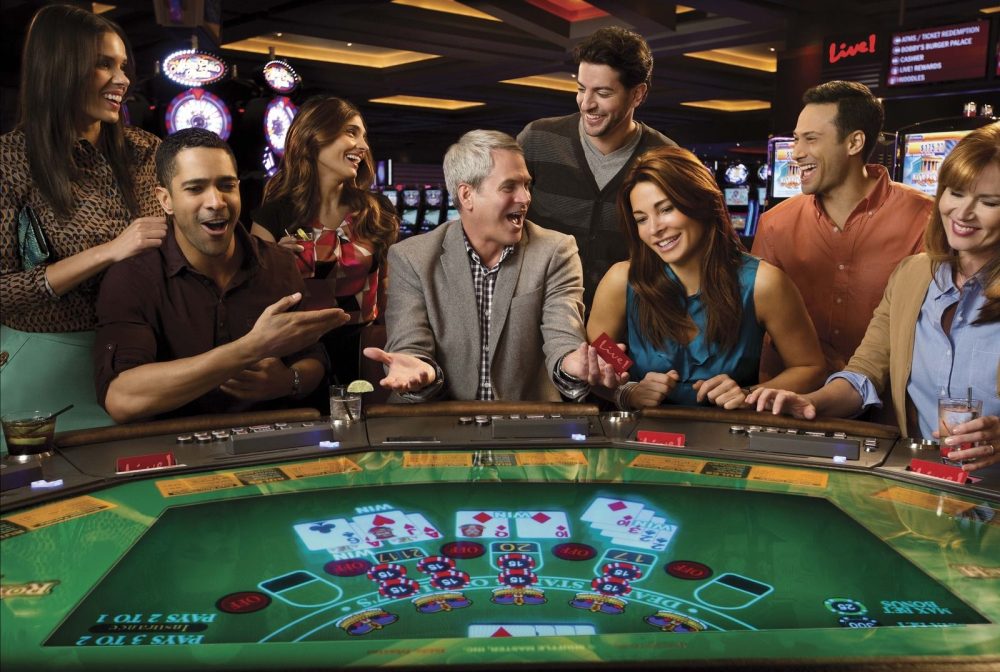
 Studying user reviews is an effective way to get information from the inside. Forums, thematic communities, and aggregators allow you to determine how the casino reacts to disputes, how often there are delays in payouts, account blocks, and changes in the rules. If there are significantly more negative opinions, it is worth avoiding registration. Regularly mentioned mistakes made by players when choosing a casino include completely ignoring the opinions of other users.
 The gaming industry offers thousands of options, but only a few sites truly meet the standards of fairness and security. To avoid making mistakes when choosing a casino, it is essential to systematically analyze every aspect, from the jurisdiction to the reviews. It is crucial not to blindly trust advertisements, ignore documents, or accept questionable offers.